May 11, 2026
The septic system operates as a critical component of many homes, designed to manage waste and protect the environment safely. Without regular maintenance, these setups can quickly turn into a costly financial burden. This article delves into preventive maintenance strategies that help homeowners avoid expensive repairs and ensure everything functions effectively for years. By understanding how these systems work and implementing strategic maintenance practices, homeowners can easily extend the life of their setup. Taking proactive steps today means you will be well-prepared to troubleshoot common problems before they escalate into significant, expensive issues – setting the perfect foundation for our comprehensive guide below.
Identifying Components With Your Septic Setup
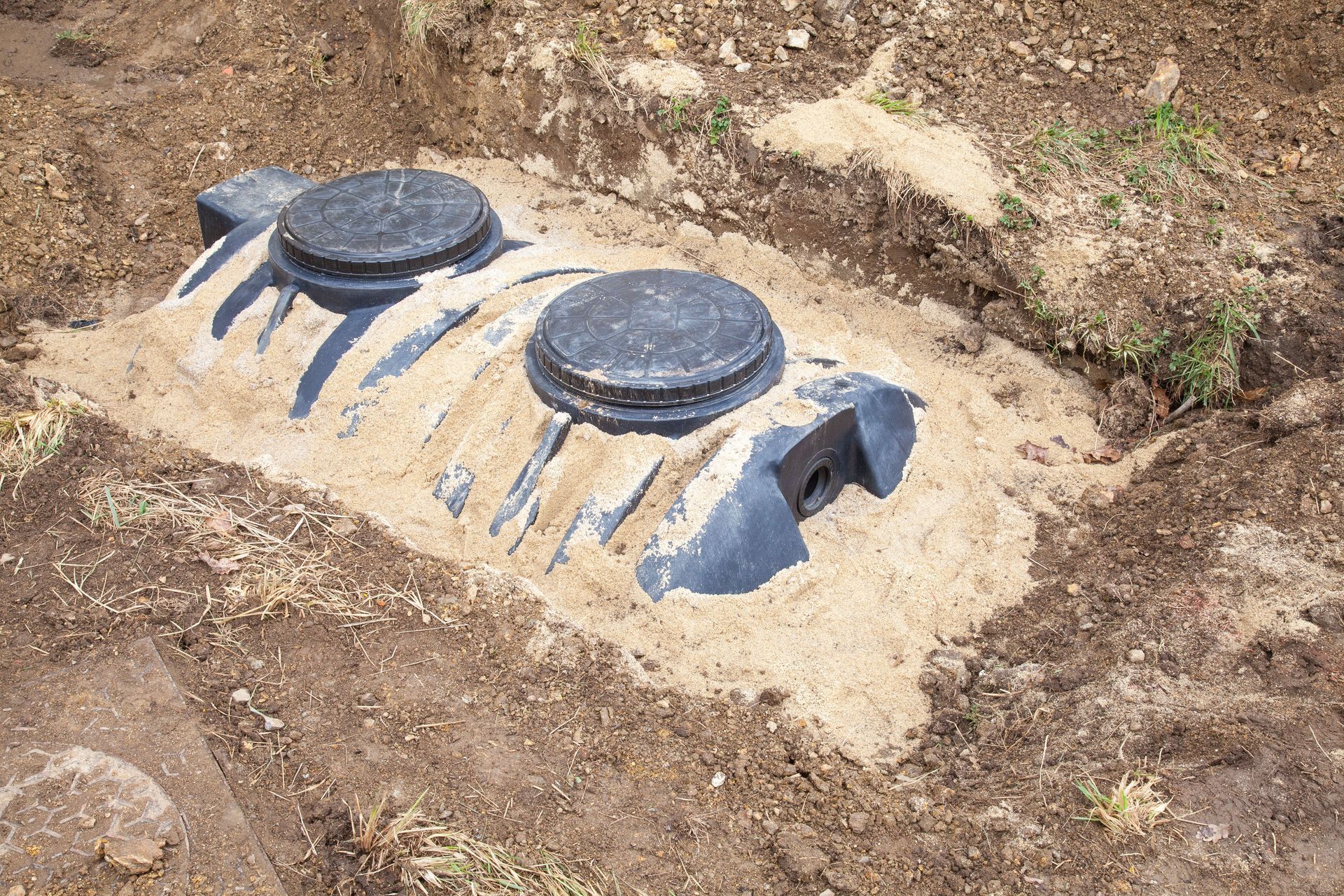
A typical septic system is composed of a septic tank, a distribution box, and a drain field. The septic tank serves as the first stop for wastewater and solids, where vital separation occurs. Solid waste settles at the bottom, forming sludge, while lighter waste floats to form scum at the top. The distribution box channels the liquid waste into the drain field, which then disperses it into the soil. Proper functioning of each component is vital to maintain healthy septic services and avoid system failure.
Diagnosing Problems Early With Regular Observation
Understanding the role of each component helps in diagnosing problems before they escalate. Regular observation and maintenance can help ensure efficient functioning and can extend the life of the entire setup. The tank should be watertight to prevent leaks and should be regularly checked for cracks or damage. Overflow of wastewater or slow drains are common indicators of issues requiring immediate attention. Homeowners should be aware of these signs to take immediate corrective action.
Breaking Down Organic Matter With Natural Bacteria
Waste enters the septic tank through a sewage line directly from the house. As waste settles in the tank, natural bacteria break down organic matter efficiently. This biological process gradually reduces sludge accumulation and facilitates liquid waste flow to the drain field. It is crucial that the bacterial environment is preserved by avoiding harmful chemicals and non-biodegradable waste. A balanced septic environment effectively decomposes waste, ensuring the system’s long-term longevity.
Preventing Sludge Overflow With Regular Pumping
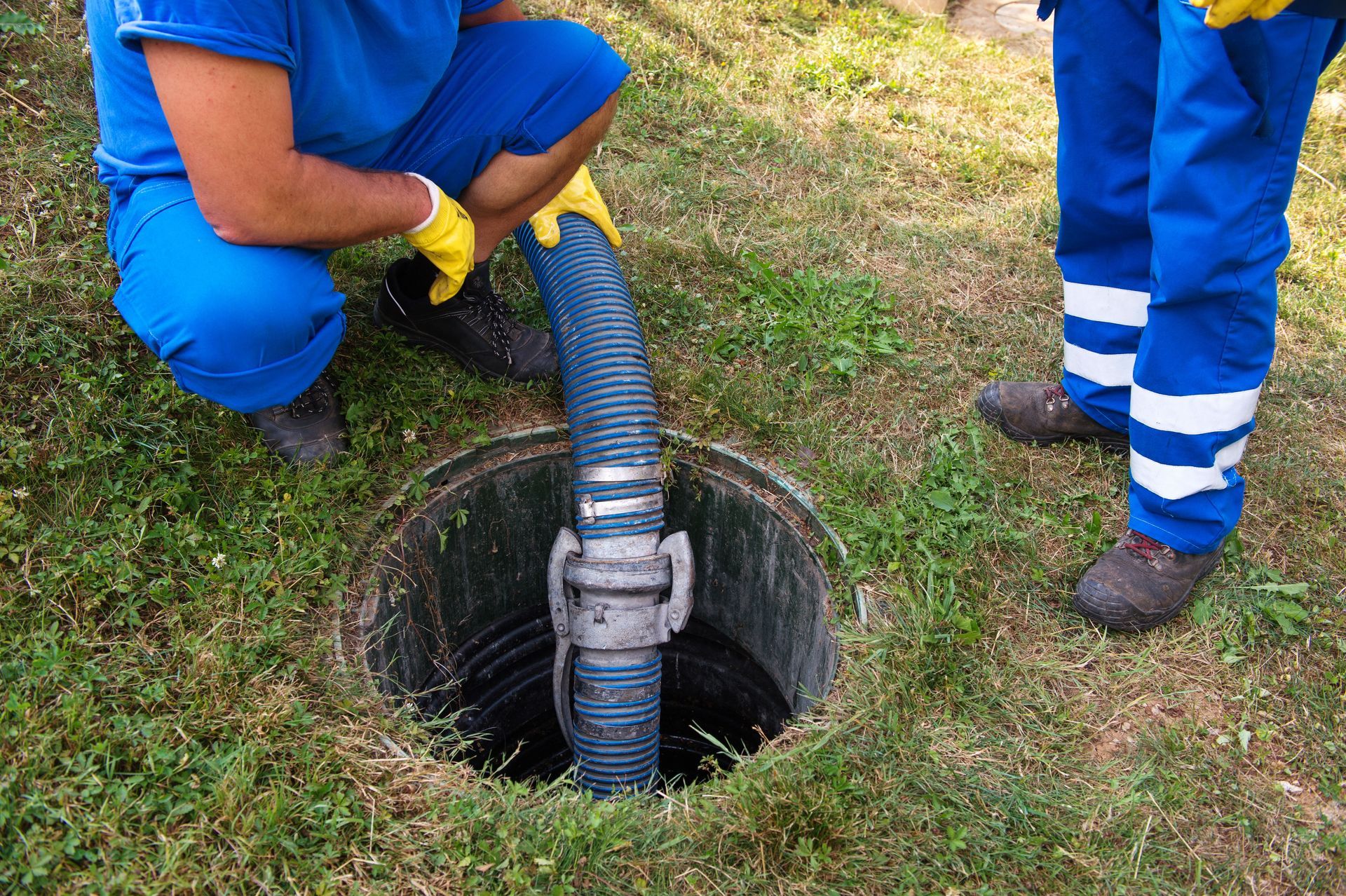
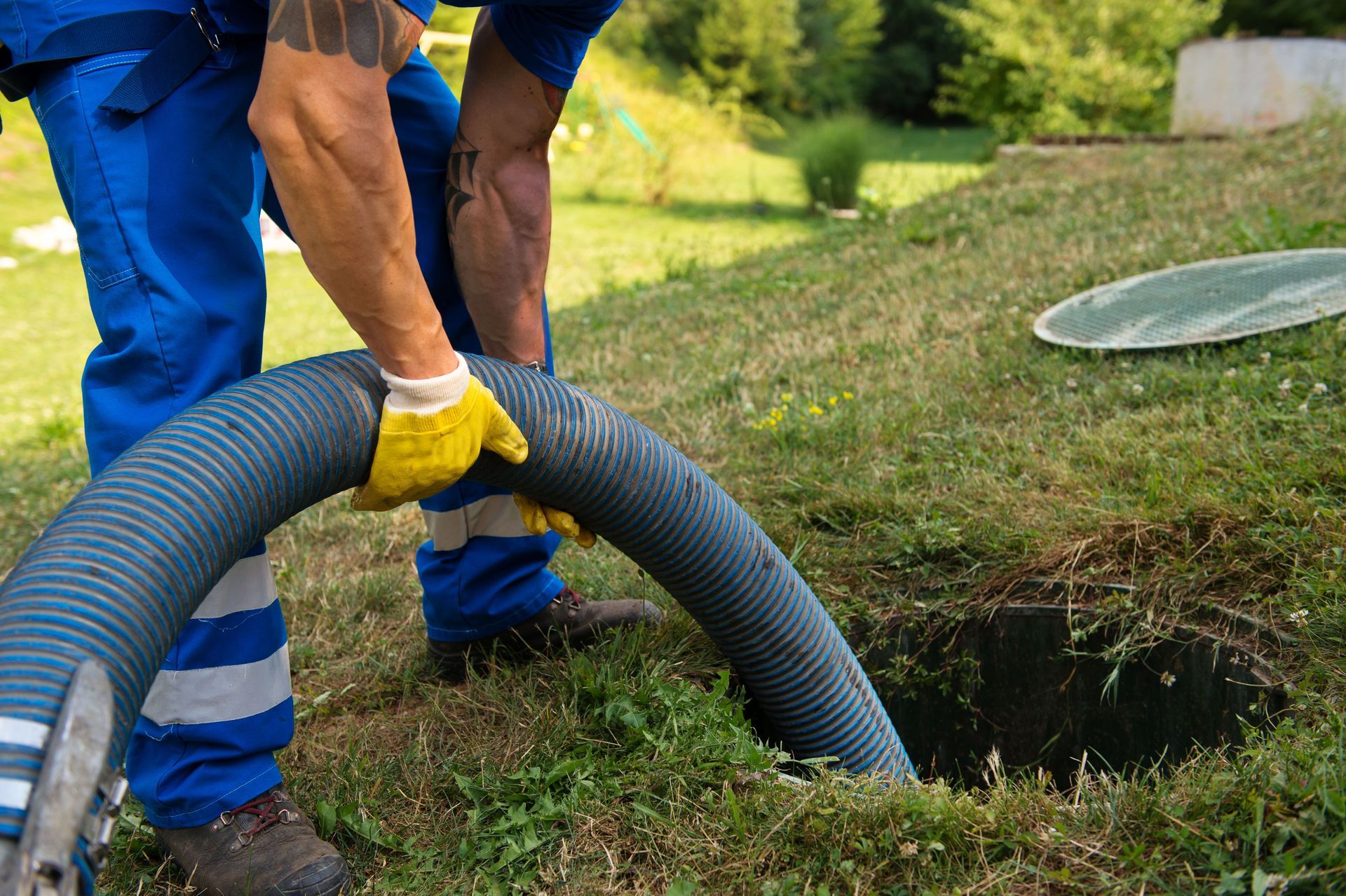
Routine pumping prevents sludge from overflowing into the drain field. According to the NCDHHS Division of Public Health, having your tank pumped out every three to five years aids in preventing sludge buildup and averts severe system damage. This schedule can vary based on usage and tank size, but timely pumping is vital to prevent potential overflow. Proper waste processing ensures a longer lifespan for the septic setup and better protection for the environment.
Performing Routine Checks With Scheduled Maintenance
Routine checks performed during scheduled maintenance help ensure the system operates at its absolute peak. A well-maintained setup efficiently filters waste, significantly reducing health risks and environmental impacts. Maintaining a record of your required septic services aids in recognizing patterns that may signal the need for early intervention. A system functioning with minimal intervention represents effective waste processing and well-informed homeowner practices. Awareness and proactive behaviors combine for optimal performance.
Experiencing System Backups With Foul Odors
One of the most common failures is a complete system backup. Backups occur when either the tank becomes too full or the pipes leading to the drain field get obstructed with sludge or roots. Slow drains, foul odors, and sewage backup in household drains often indicate this severe issue. A backup requires immediate attention to prevent further damage and household disruption. Timely intervention and consistent maintenance can easily prevent such messy occurrences.
Addressing Drain Field Failures With Care
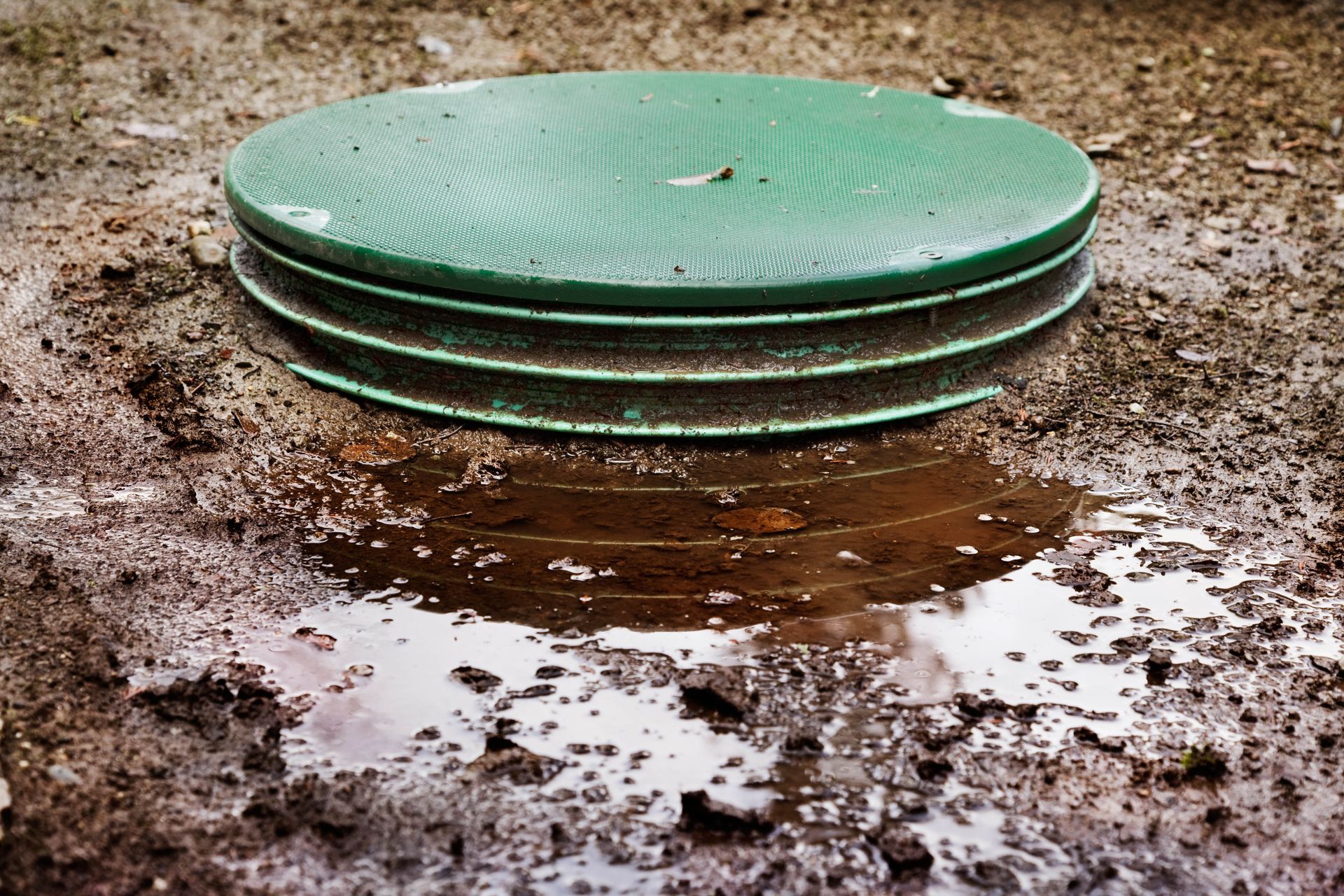
Another issue that troubles property owners is complete drain field failure. This occurs when the field becomes too saturated or clogged, unable to absorb effluent efficiently. Field saturation results in wastewater surfacing above ground, creating soggy patches and incredibly unpleasant smells. This problem can often be traced back to excessive water usage, soil compaction, or poor maintenance habits. Addressing contributing factors early on can prevent more severe damage to the field and system.
Choosing Cleaners With Septic Safety
The choice and quantity of household cleaners used greatly impact overall health. Certain chemicals can kill beneficial bacteria in the tank, utterly disrupting its natural operation. Environmentally friendly and safe cleaners are highly advisable to protect the critical balance within the tank. Being conscious of the products used daily helps prevent unintentional harm to the bacterial ecosystem. Implementing simple routine changes significantly influences longevity and reduces the need for emergency septic services.
Catching Problems Early With Routine Inspections
Routine inspections serve as the first line of defense in maintaining healthy wastewater setups. These inspections allow professionals to assess the system condition, identify early issues, and recommend necessary actions. Catching problems early significantly reduces repair costs and prevents severe failures. Inspections often include checking tank operation, field condition, and ensuring no obstructions or leaks exist. Scheduling regular inspections forms a crucial part of preventive maintenance, protecting both your wallet and peace of mind.
Establishing Schedules With Septic Professionals
Establishing the correct pumping schedule is absolutely essential for maintaining a healthy setup. Variables such as household size, water usage, and tank capacity heavily influence the frequency of necessary pumping. Overloading the system with organic waste prompts more frequent pumping, while conservatively managing waste allows extended intervals. Establishing a schedule based on specific needs ensures optimal performance. Proper pumping dramatically reduces the risks of emergency issues arising, limiting your need for urgent septic services.
Choosing Competent Providers With Comprehensive Care
Choosing a competent provider guarantees effective maintenance and prompt repairs. Look for experienced local operators who offer comprehensive options, including septic installation, septic pumping, drain field repair, infiltrator system, and rock drain field system setups. Finding a provider that covers all these areas delivers absolute peace of mind to homeowners relying on consistent performance. Ask for references or testimonials to help gauge a provider's reputation in delivering quality, reliable septic services.
Building Long-Term Relationships With Reliable Providers
Establishing a long-term relationship with a reliable provider helps them to understand your unique system nuances. Providers familiar with your history can better understand individual needs, expediting required maintenance tasks. This relationship greatly facilitates ongoing better communication concerning proactive solutions and active problem-solving. Good providers continuously educate homeowners on ideal practices, enhancing system maintenance and overall performance capabilities. Consistent support definitely drives optimal health and immense longevity for your equipment.
Balancing Water Flow With System Capacity
Water usage plays an incredibly essential role in a system's overall functionality. Excessive water can quickly overload the equipment, preventing proper waste decomposition and lowering tank efficiency. High water volumes increase effluent flow to the drain field, potentially saturating the soil and severely hampering absorption. Conversely, balancing water use ensures necessary bacterial activity, fostering highly effective waste breakdown. Maintaining measured water use effectively balances capacity and operational efficiency, significantly minimizing the need for extensive septic services.
Adjusting Behaviors With Mindful Practices
Thoughts and actions around water usage directly influence health and everyday efficiency. Simple behavioral adjustments can considerably reduce household water consumption. Turning off faucets when brushing teeth, opting for shorter showers, and running dishwashers or washing machines only when full are highly effective practices. Emphasizing mindful water use actively conserves resources, lessening completely unnecessary burdens on the equipment. Smart practices effectively limit strain, fostering a much longer-lasting setup that rarely needs emergency septic services.
Maintaining your wastewater infrastructure requires consistent attention, mindful water usage, and routine professional care. From understanding how waste is processed to adopting water-saving technologies, every small step contributes to a robust, seamlessly functioning system. We heavily encourage property owners to schedule regular inspections and adhere to proper pumping timelines to avert disaster. If you need dedicated assistance managing your equipment, let us handle your essential septic services. Contact our team at AAA Whites Septic Tank Service, Inc today to ensure your system operates flawlessly for years to come.