June 11, 2026
Understanding the functioning and maintenance of a septic system is crucial for homeowners relying on them for wastewater management. Septic systems are delicate ecosystems that require careful handling to operate efficiently and last as expected. Everyday household habits significantly influence the longevity of these systems, which makes it essential to adopt practices that do not strain their operation excessively.
1. Understanding Your Septic System
1.1. Components of a Septic System
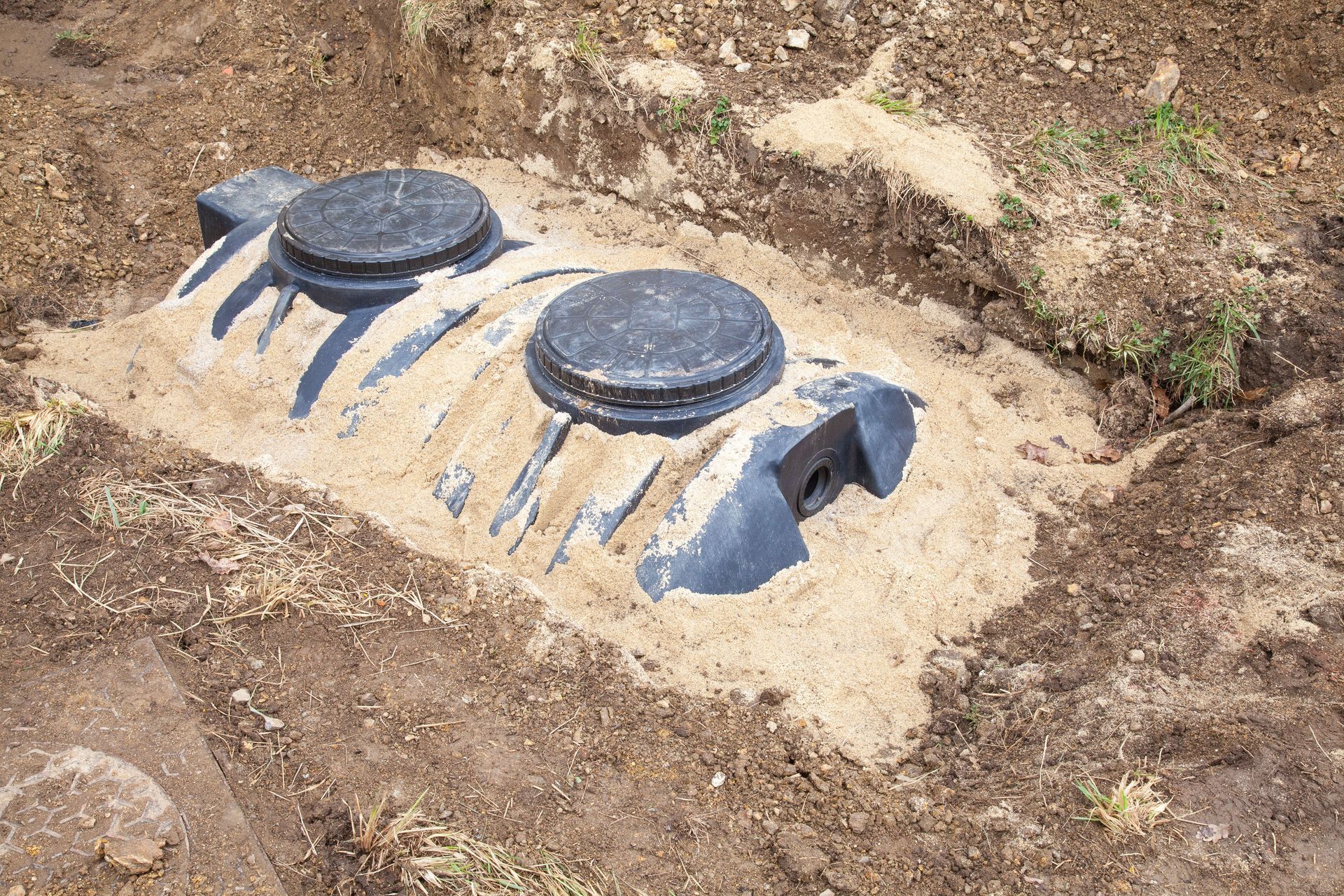
A septic system comprises several key components including the septic tank, distribution box, and drain field. The septic tank acts as a primary settling chamber where solids settle and undergo anaerobic digestion. The distribution box, or D-box, evenly distributes liquid waste or effluent into the drain field. The drain field is a crucial component that allows treated wastewater to percolate through the soil, undergoing additional filtration. Understanding these components is fundamental for proper maintenance and longevity.
1.2. How Septic Systems Work
Septic systems treat household wastewater by separating solids and liquids. Upon entering the septic tank, waste undergoes a process that allows solid particles to sink and oils to rise. Bacteria break down organic solids, minimizing buildup. Effluent or partially treated liquid waste flows to the drain field for further treatment and dispersal. Understanding this wastewater treatment process helps homeowners make informed decisions about system care.
1.3. Common Types of Septic Systems
The most prevalent types of septic systems are conventional and alternative systems. Conventional systems use gravity or a pump to move effluent from the septic tank to a soil-draining field. Alternative systems like mound, sand filter, and aerobic treatment systems employ additional methods to treat and distribute wastewater. Each system type is designed based on local soil conditions and regulations. Proper installation and understanding of your system type can prevent common failures.
1.4. Signs of a Healthy Septic System
A healthy septic system efficiently processes waste without noticeable odors or backups. Signs include uniformly green grass over the drain field, no soggy patches or standing water, and minimal maintenance issues. Regular monitoring of these signs helps early detection of potential problems. Routine inspections and pumping schedules also ensure the system operates optimally. Maintaining a healthy septic system is key to its long-term viability.
1.5. Consequences of Septic System Failure
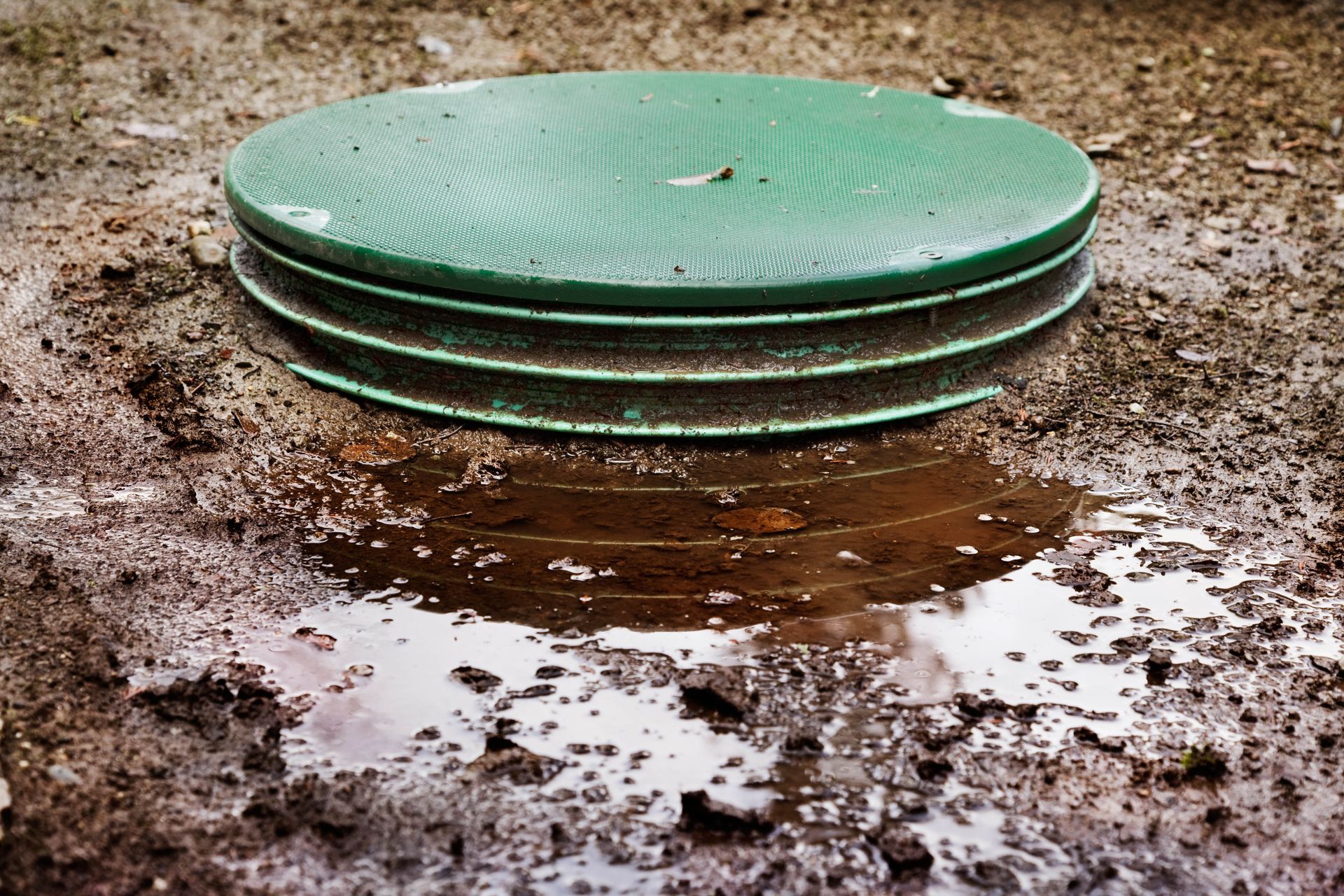
When septic systems fail, untreated sewage can back up into homes or contaminate local water systems. Foul odors, slow-draining fixtures, and lush vegetation over the drain field are common failure indicators. Failure can result in expensive repairs and environmental hazards. It can lead to health risks due to pathogens entering drinking water or causing illnesses. Maintaining your system helps avoid these severe consequences and promotes environmental health.
2. Water Usage Impact on Septic Lifespan
2.1. Daily Water Consumption Patterns
Excessive water use adversely affects septic system functionality and lifespan. Septic systems rely on optimal input volume to effectively treat wastewater. Overloading the system with water can cause inadequate settling of solids and premature failure. Implementing water conservation practices, like shorter showers and efficient appliances, can prolong the system's operational life. Mindful water usage habits contribute significantly to a healthy septic system.
2.2. High-Volume Appliance Usage
Appliances such as washing machines and dishwashers can introduce large volumes of water into septic systems within short periods. Regular use without proper management can overwhelm the tank and drain field, leading to inefficient waste treatment. Spreading out usage rather than compact timings prevents hydraulic overload. Front-loading machines and energy-efficient models minimize water usage and are better for septic systems. Properly balancing appliance use is crucial for system health.
2.3. Intermittent Vs. Continuous Water Flow
Continuous water flow issues, like leaks, can create persistent stress on septic systems. Intermittent, controlled water use allows for natural processing and rejuvenation cycles within the system. Leaks from toilets or faucets are frequent but impactful culprits of continuous inflow issues. Addressing these prevents long-term damage and extends the system’s lifespan. Identifying and repairing leaks promptly is a simple yet effective strategy for efficient septic management.
2.4. Water-Saving Fixtures and Techniques
The installation of water-saving fixtures reduces strain on septic systems by decreasing household water consumption. Low-flow toilets, faucet aerators, and efficient showerheads are beneficial technologies. According to the Environmental Protection Agency, modern fixtures can significantly lower water usage, mitigating the risk of overloading septic systems. Implementing water-efficient practices supports longevity and efficiency. Every reduction in water use directly benefits the septic infrastructure.
2.5. Impact of Leaks and Drips
Leaks may seem trivial, but cumulatively they can introduce significant water volumes into septic systems inadvertently. Even minor leaks contribute to system overload, reducing the ability to process waste effectively. A vigilant household practice of checking and repairing leaks promptly ensures the septic system functions optimally. Regular monitoring, including utility bills, helps pinpoint unusually high water usage which could signal a leak. Such proactive behavior extends septic longevity significantly.
3. The Role of Waste Disposal
3.1. What Should Never Be Flushed
Flushing inappropriate items compromises septic system functionality. Non-biodegradable materials like wipes, diapers, and plastics cause blockages and require costly interventions. Educating household members on appropriate disposal practices prevents damage. Only human waste and toilet paper should be flushed, as these degrade easily within the system. Proper flushing habits are crucial in maintaining septic efficiency and longevity.
3.2. Kitchen Waste and Grease Management
Kitchen waste, particularly fats, oils, and grease, should not enter septic systems. They solidify and clump, obstructing pipes and hindering effective treatment. Scraping dishes and using sink traps are simple preventive measures. Composting food waste or disposing of oils properly preserves septic health. Kitchens are significant contributors to septic issues, making mindful waste management a priority.
3.3. Hazardous Materials and Chemicals
Disposing of hazardous chemicals and materials in septic systems can cause environmental harm and damage system components. Common household cleaners, paints, and solvents introduce synthetic compounds that disrupt the bacterial balance necessary for organic matter breakdown. These substances should be handled according to municipal hazardous waste disposal guidelines. Minimizing toxic disposals protects both the septic system and surrounding ecosystems. Proper education on hazardous material disposal is essential.
3.4. Organic Waste Reduction Methods
Reducing organic waste entering a septic system alleviates treatment loads and enhances overall efficiency. Composting is an excellent method to decrease septic-bound waste, converting organic material into nutrient-rich soil. Disposing only biodegradable waste through minimal kitchen scraps further supports system health. Educational initiatives about reducing organic waste can foster community behavior changes. Encouragement and training in organic reduction methods significantly sustain septic system functionality.
4. Routine Maintenance and Checks
4.1. Regular Pumping Schedules
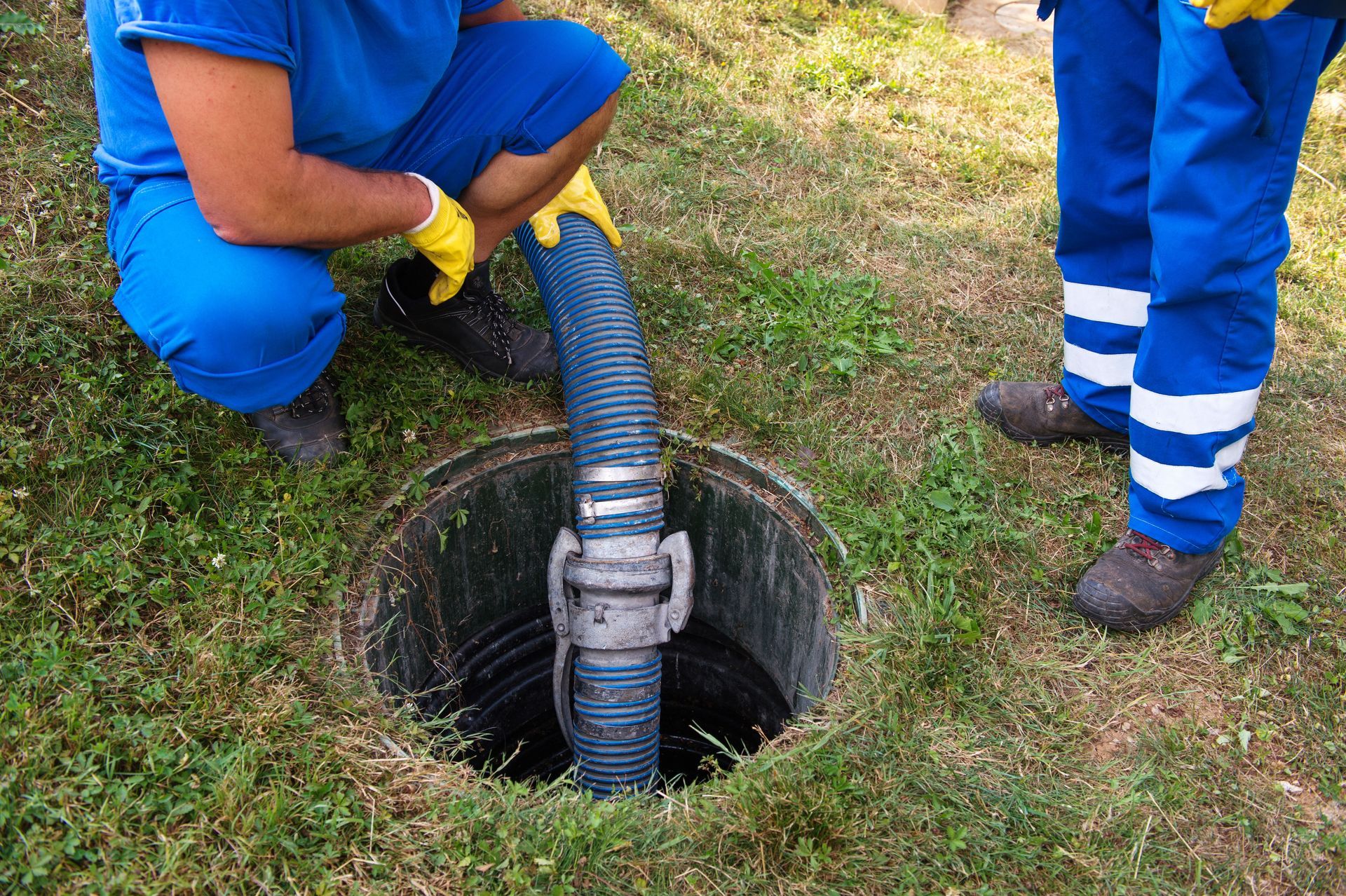
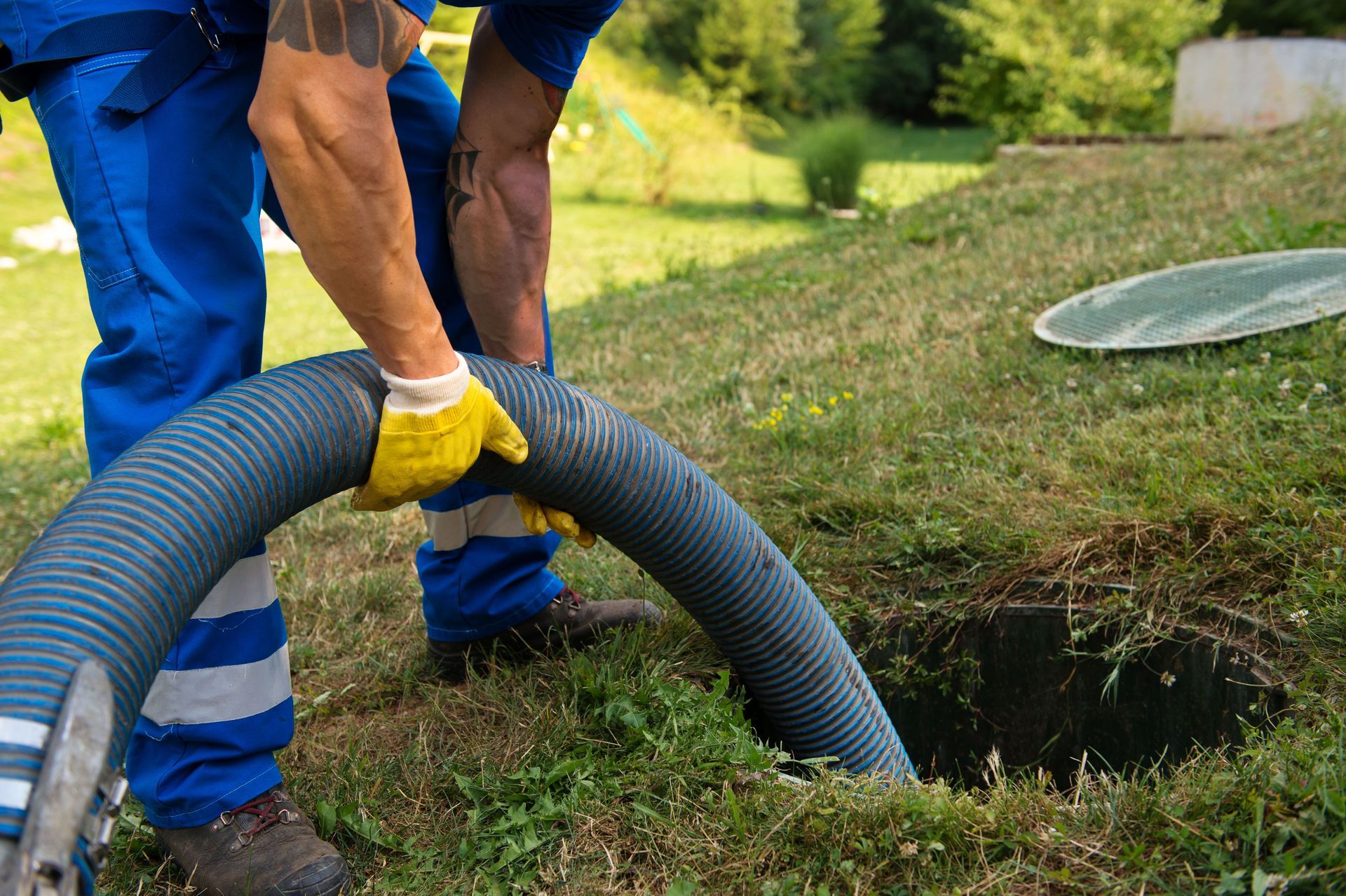
Regular septic tank pumping is crucial to system lifespan and efficiency. Schedule pumping every 3 to 5 years, based on household size and water use, to manage sludge and scum levels. Timely pumping prevents solids from escaping into the drain field, where they cause costly damage. It's a proactive step that ensures long-term operability and prevents unexpected system failures. Monitoring tank levels helps in maintaining effective regular pumping schedules.
4.2. Professional Inspections
Professional inspections offer objective evaluations of septic health and functionality. Experts assess potential risks, structural soundness, and recommend necessary interventions. These inspections help in early identification and correction of issues before they escalate into significant problems. According to the Environmental Protection Agency, about 1 in 5 U.S. homes use a septic system, making regular professional assessments even more critical to national infrastructure health. Establishing a relationship with a reputable service provider ensures trust and reliability.
The longevity and efficiency of septic systems significantly depend on everyday household habits. This article highlights how conscious use of water, proper waste disposal, and regular maintenance are crucial in mitigating common septic system issues. Adopting sustainable habits ensures system health, positively impacting both the environment and household economics. Community awareness and technological integration further enhance septic management initiatives. By fostering informed and sustainable practices, households contribute to an enduring and eco-friendly wastewater treatment approach. Be sure to reach out to AAA Whites Septic Tank Service, Inc today to learn more about our professional septic companies!