November 11, 2026
A septic system is not a one-size-fits-all feature of a property. Its design, maintenance needs, and performance depend on factors such as the number of users, soil conditions, the land layout, and the type of system already in place.
Working with a local septic company helps property owners account for these differences before they become expensive problems. Evaluating the property and its usage helps professionals recommend services that support wastewater treatment and protect surrounding land.
Evaluating Your Property and Its Septic Requirements
Considering Household Size and Water Usage
The number of people living or working on a property affects how much wastewater enters the septic tank each day. A system serving a small household may experience a different workload than one supporting a large family, a multi-unit residence, or a busy commercial building. Professionals can ask about occupancy, routines, and water-intensive activities to understand system demands.
These details help professionals assess whether the existing tank is appropriately sized and whether maintenance intervals should be adjusted. For example, frequent laundry loads, long showers, and regular use of multiple bathrooms can increase wastewater volume. An evaluation can establish whether the system still meets the property's needs.
Assessing Tank Capacity and System Design
Tank capacity is one important consideration when evaluating a septic system. According to This Old House, a home with two to three bedrooms generally needs a septic tank that holds at least 1,000 gallons. Household occupancy, water consumption, local requirements, and system design also influence tank suitability.
A septic professional can review system records, inspect accessible components, and consider current property use. Professionals may identify concerns such as an undersized tank for current demand, damaged baffles, or a filter that needs cleaning. This broader review informs maintenance, repair, or further evaluation recommendations.
Reviewing Soil, Drainage, and Property Layout
The land surrounding a septic system plays a major role in how wastewater is treated and dispersed. Soil composition, slope, groundwater conditions, and drainage patterns can all affect drain field performance. A property with limited usable space or challenging ground conditions may require a different approach from a level site with suitable soil and ample room for the system.
During an assessment, a local septic company can consider the location of the tank and drain field, access for service vehicles, and nearby structures or landscaping. These factors matter during routine maintenance as well as installation and repair work. Identifying site limitations early helps avoid unnecessary disturbance and informs long-term decisions.
Matching Maintenance and Repairs to System Conditions
Establishing an Appropriate Pumping Schedule
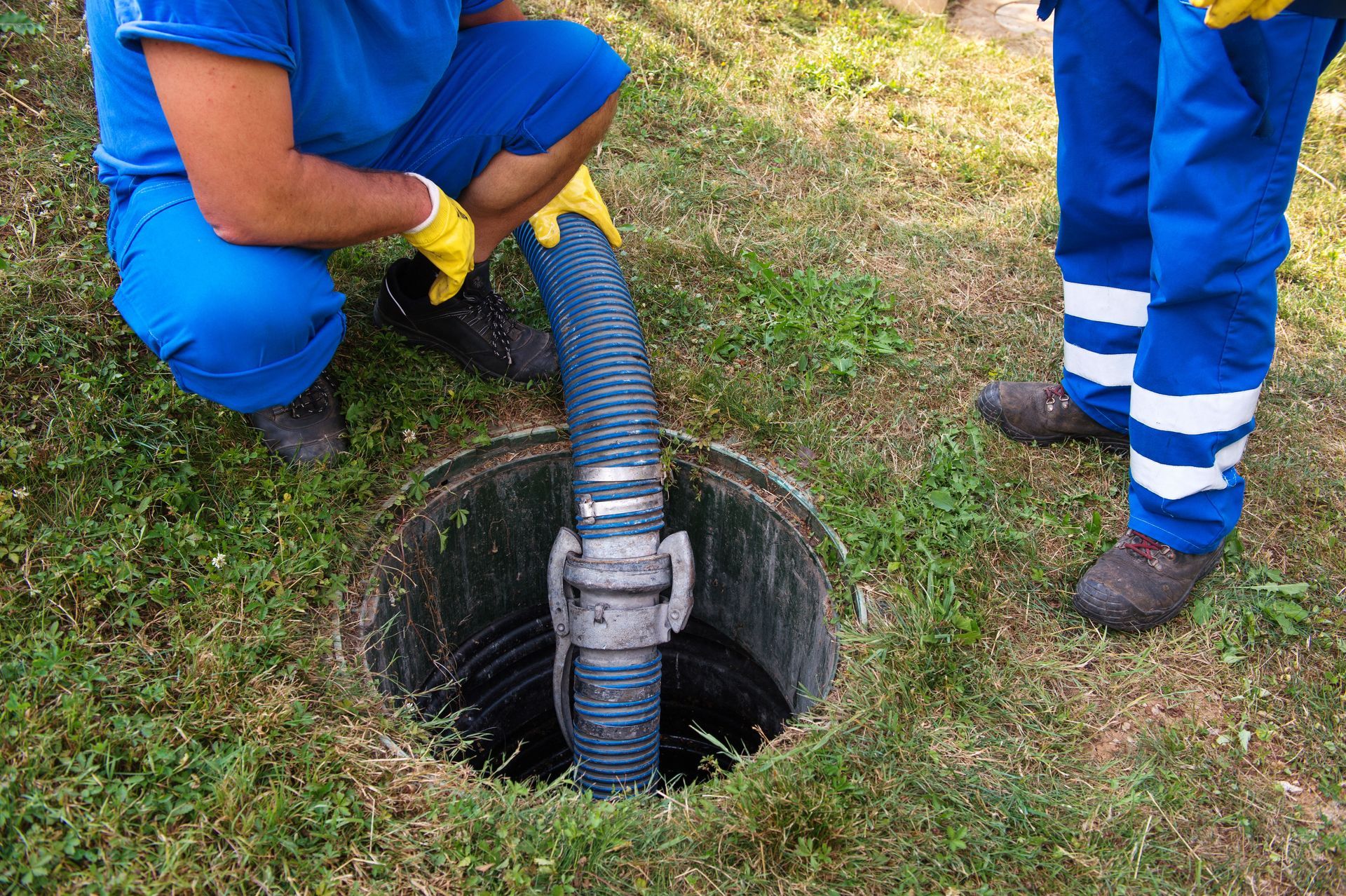
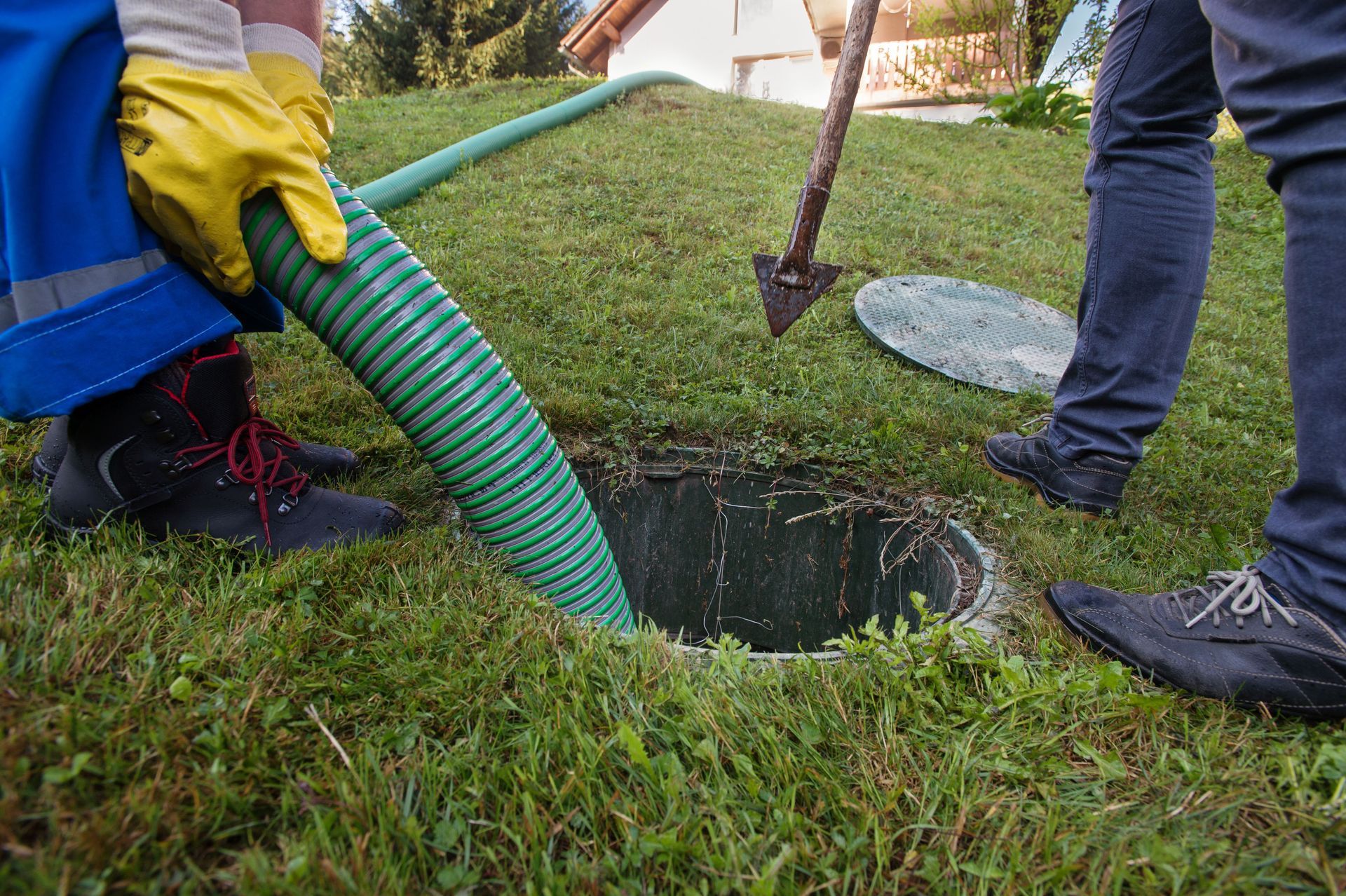
Routine pumping removes accumulated sludge and scum before excessive buildup interferes with a septic tank's operation. Many tanks need pumping every three to five years, although the right interval depends on tank size, household occupancy, water use, and the amount of solids entering the system. A local septic company can evaluate these conditions and recommend a schedule based on the property's actual usage.
Pumping should involve more than removing tank contents. A thorough service can include inspecting the tank, removing accumulated solids, cleaning baffles and filters when needed, and evaluating overall system performance. The technician can also explain maintenance recommendations and note conditions that may require attention. This clarifies the system's condition after service.
Identifying Problems Before They Escalate
Septic problems may develop gradually, and early symptoms can be easy to overlook. Slow drains, gurgling plumbing, sewage odors, unusually wet ground near the drain field, or wastewater backing up into the building can indicate that the system needs professional attention. A local septic company can investigate these warning signs and determine whether the issue involves a full tank, a blockage, damaged components, or a drain field concern.
The appropriate response depends on the source of the problem. Pumping may resolve issues associated with excessive solids, while damaged baffles, filters, pipes, or other components may require repair. If the drain field is not accepting wastewater properly, a more detailed assessment may be necessary. Diagnosing the cause first helps prevent unnecessary work and recurring disruptions.
Planning Repairs Around the Property
Repair work should account for the system's location, accessibility, and surrounding features. Trees, driveways, patios, utility lines, and buildings can affect how technicians reach buried components and complete repairs. A local septic company can assess these conditions before recommending a repair plan, helping limit disruption to the property while addressing the underlying issue.
The scale of the work also depends on the age and condition of the system. A repair to an accessible component may be relatively contained, while recurring failures or extensive drain field damage may call for a broader solution. A clear explanation and property-specific estimate help owners understand the recommended work.
Selecting Solutions for Long-Term Property Needs
Determining When Installation or Replacement Is Appropriate
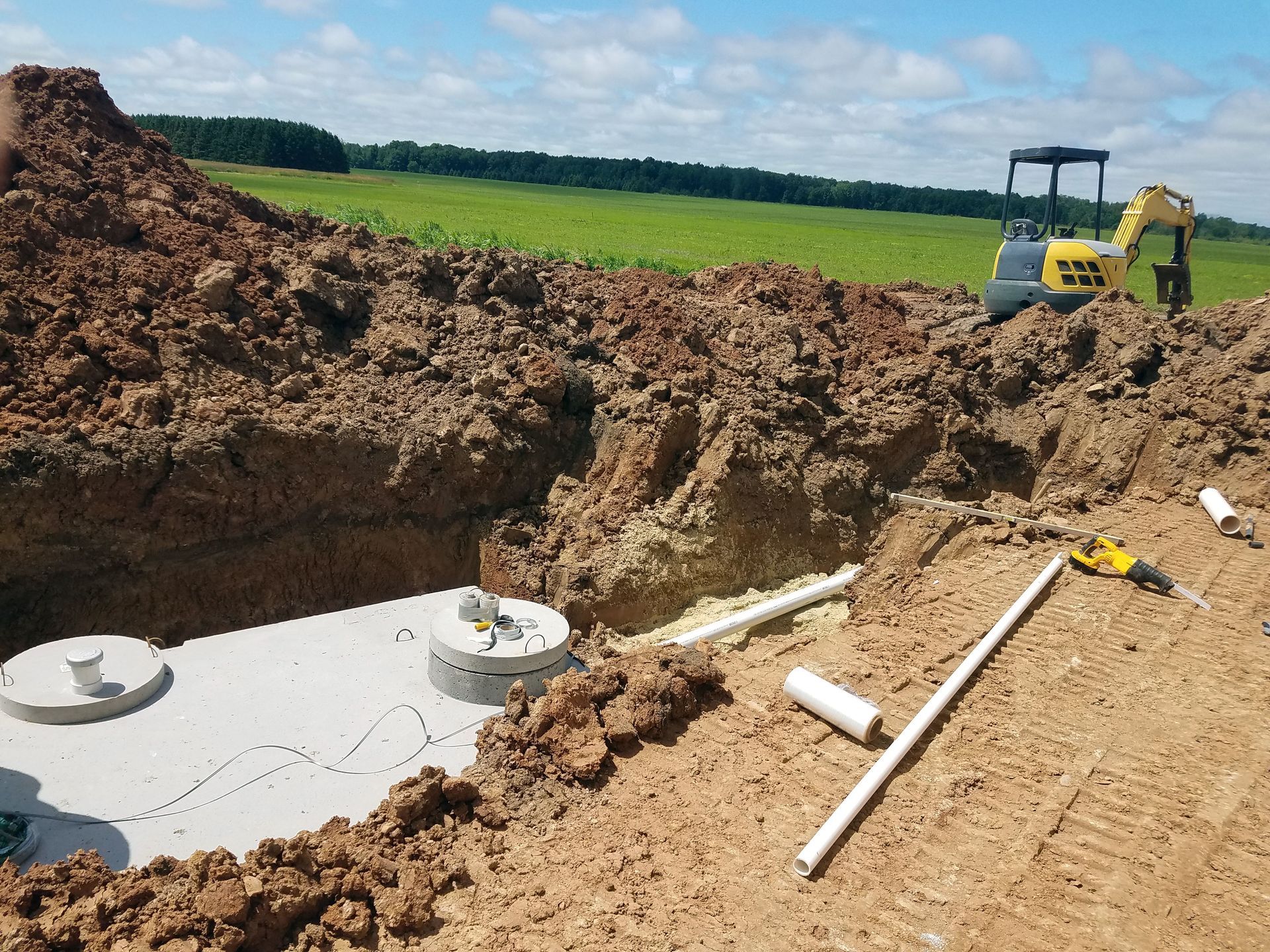
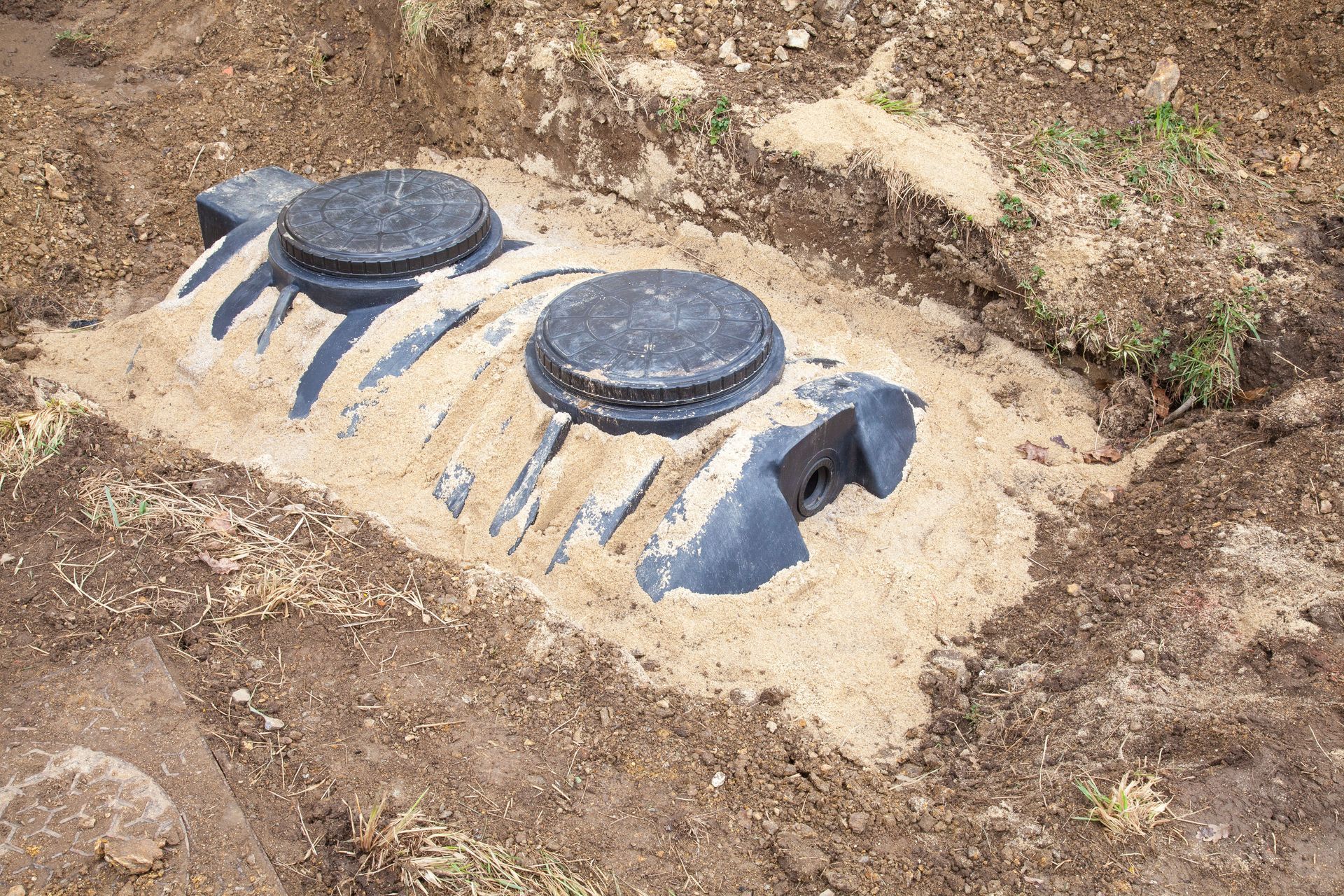
Some properties need more than routine pumping or isolated repairs. A new installation may be appropriate when a property is being developed, an existing system cannot accommodate current use, or repeated problems indicate that the system is no longer suitable. A local septic company can review the property's wastewater needs, physical conditions, and applicable requirements before recommending an installation approach.
System selection should reflect both present demand and reasonable expectations for future use. Professionals can consider household or building occupancy, available space, soil conditions, and site constraints when determining what type and capacity of system may be appropriate. Planning helps ensure the system suits the property.
Accounting for Specialized Systems and Environmental Needs
Certain properties have conditions that call for a specialized septic solution. Challenging soil, restricted space, or specific environmental requirements may affect the type of system that can be installed. In areas where nitrogen reduction is required or beneficial, a nitrogen-reducing system may help limit the amount of nitrogen released into the surrounding environment while supporting applicable requirements.
A local septic company familiar with different system configurations can explain which options may fit the site and what maintenance they involve. Specialized systems still need appropriate inspections and upkeep, so owners should understand the service requirements before choosing an installation. Considering upkeep early helps avoid a poor system match.
Building a Practical Preventative Maintenance Plan
A property-specific maintenance plan brings together the findings from inspections, pumping, and previous repairs. It can identify an appropriate pumping interval, note components that should be monitored, and outline conditions that warrant a follow-up evaluation. A local septic company can adjust recommendations when occupancy changes, water usage increases, or the system shows signs of wear.
Consistent maintenance supports more dependable operation and can help reduce the likelihood of backups, costly failures, unpleasant odors, and groundwater contamination. Owners can help by limiting water waste, keeping unsuitable materials out of drains, and keeping vehicles off the drain field. Responsible use and professional service help preserve system function.
A septic service plan is most effective when it reflects the property rather than relying on a standard schedule or generic recommendation. Consistent service also helps track system changes and plan future maintenance needs as property demands evolve. Household demands, tank capacity, soil conditions, system age, and site layout all influence the services a property may need. Professional evaluations help connect these factors to practical maintenance, repair, or installation decisions.
By choosing a septic provider that assesses the system and its surroundings, property owners can make informed wastewater-management decisions. Regular service, timely repairs, and suitable system planning help protect the property and support reliable septic performance over the long term. To schedule professional septic services tailored to your property's unique needs, contact AAA Whites Septic Tank Services, Inc!