October 8, 2026
Whether you're a homeowner or a prospective buyer, knowing the specifics of a professional septic inspection can help you ensure the longevity and efficiency of your septic system. It’s crucial to understand that septic systems are key components in properties without access to municipal sewage facilities. Proper maintenance begins immediately following your initial septic installation, as poor upkeep or neglect can lead to costly repairs and unsanitary conditions, making regular inspections an essential routine. By learning about the inspection process, you can be proactive in managing your system's effectiveness and lifespan.
Understanding Your Septic System
Components of a Septic System
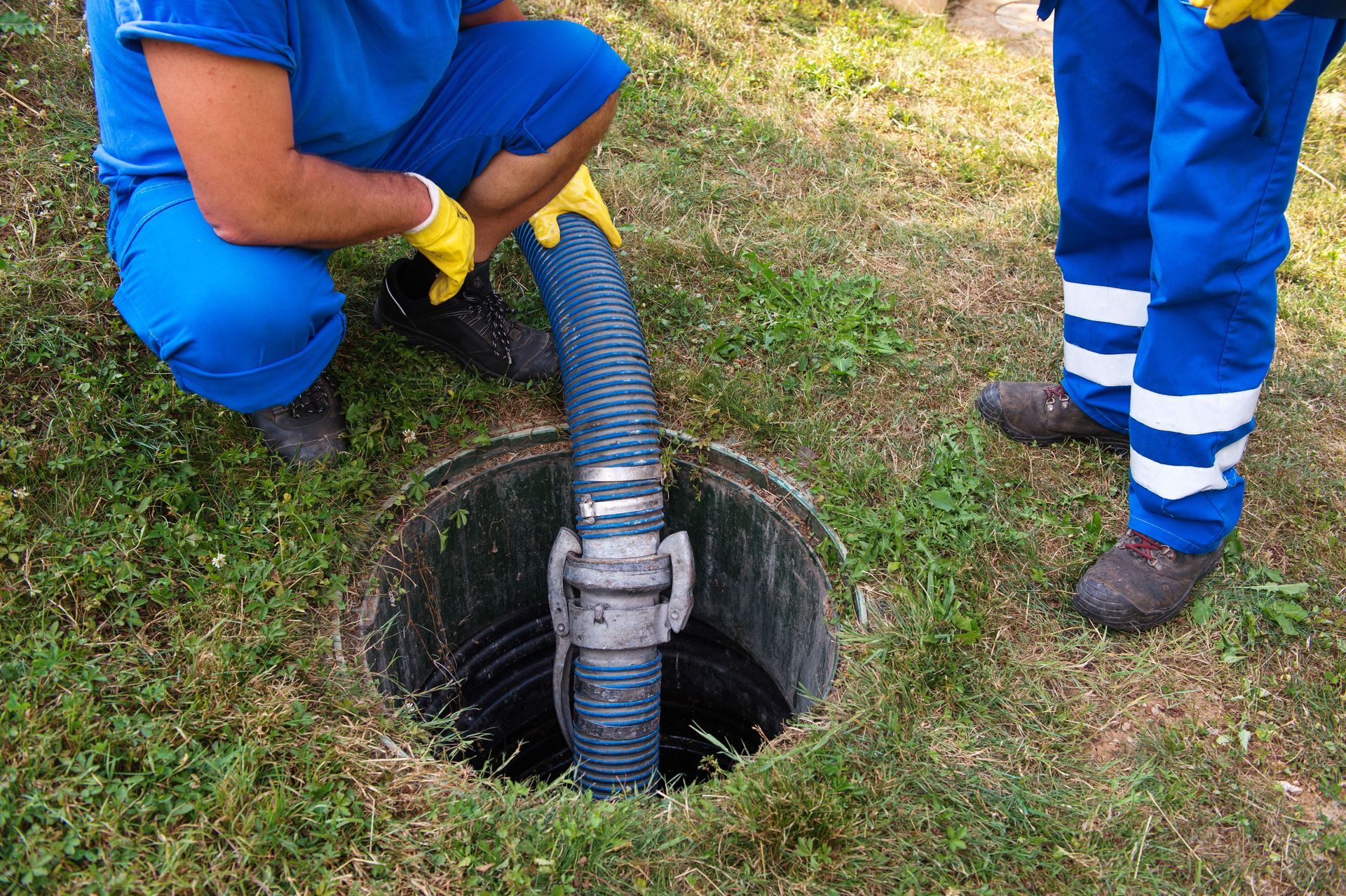
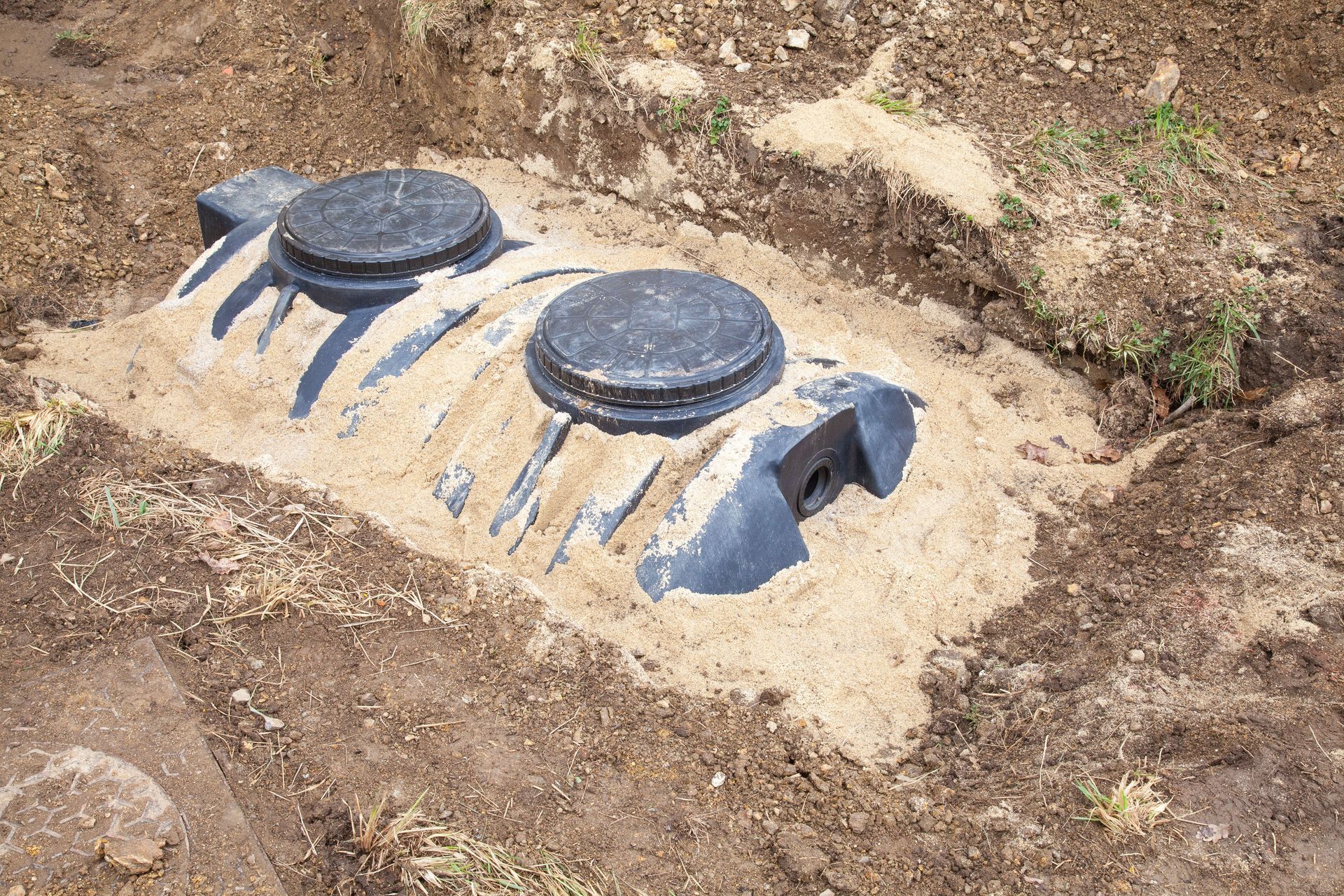
A septic system generally comprises a septic tank, a drain field, and the surrounding soil. The septic tank is typically made from concrete, fiberglass, or plastic and is buried underground during the initial septic installation. Wastewater from the property enters the tank, where solids settle at the bottom to form sludge, while oils and grease float to the top, forming scum. The remaining liquid waste exits into the drain field, where it percolates into the soil, allowing bacteria to break down any remaining waste. This natural treatment process makes understanding each component vital for proper septic system health.
Each part of the septic system plays a unique role, and their interplay is crucial. The tank itself acts as a primary filter by retaining solids, while the drain field serves as a secondary stage by dispersing effluent. The soil serves an important function by naturally filtering bacteria and viruses, ultimately purifying the waste before it reaches groundwater. Measuring the levels of sludge and scum is essential to prevent overflow into the drain field, which could lead to environmental contamination. With a firm grasp of these components, homeowners are better positioned to maintain an efficient septic system.
Comprehending the intricacies of septic systems can help anticipate potential issues before they become serious. Identifying the signs of a tank reaching capacity or a compromised drain field, for example, can save significant repair or replacement costs. As new technology like IoT sensors is embraced, these systems can be made even more effective. According to Business Research Insights, the integration of IoT sensors in septic systems is expected to reduce emergency repair costs by 15% to 20% annually starting in 2026. Consequently, regular inspections paired with modern technology can enhance system longevity.
How Septic Systems Work
At its core, a septic system functions by using natural processes to treat and dispose of household wastewater. This begins with wastewater entering the tank from the property, where solid and liquid waste is separated. While solids sink to form sludge and oils rise to create a scum layer, the remaining liquid, or effluent, flows out to the drain field for further treatment. This effluent seeps through the soil, which acts as a natural biological filter by removing bacteria and pathogens. The cleaned water returns to the water table, completing the treatment cycle.
Understanding this process emphasizes the importance of each component working harmoniously. The septic tank and drain field must function effectively to prevent the system from overloading, which could lead to leaks or backflow. Homeowners play a role by being mindful of what enters their system; non-biodegradable items or harsh chemicals can disrupt the natural treatment process. Awareness and responsible use are keys to maintaining the delicate balance within the septic system. Ensuring this balance preserves environmental health and extends the life of the septic infrastructure.
With innovation, septic systems are becoming more efficient than ever. The introduction of smart technologies such as IoT sensors can enhance system performance by providing real-time monitoring data. These sensors alert owners to potential problems like leaks or blockages, making immediate corrective action possible. This proactive approach helps reduce both the frequency and cost of manual interventions, mitigating emergency situations. As these technologies become more prevalent, future septic systems will likely be both greener and more cost-effective.
Common Septic System Issues
Septic systems can encounter various issues, from blockages to leaks, that could potentially cause significant damage. Clogs often result from non-biodegradable items like wipes or sanitary products being flushed into the system, which can obstruct pipes and lead to backflow. Leaks are another common problem, frequently arising from system age or ground movements that crack pipes or tanks. Overloading can occur when more water is used than the system can process, leading to saturated drain fields. Understanding these issues is essential for promptly addressing them and preventing further complications.
Another prevalent issue revolves around root intrusion, especially in older systems. Tree roots naturally seek out moisture and can infiltrate pipes or tanks, causing cracks and blockages. Addressing root intrusions may require specialized repairs to clear and protect the system. Additionally, excessive use of household chemicals can disrupt the beneficial bacteria in the septic tank, leading to inefficient breakdown of waste. Poor design during the original septic installation can also make systems far more susceptible to early structural failure and frequent clogs. Addressing these issues requires regular inspections, mindful usage, and preventive measures to maintain system health.
For many homeowners, identifying signs of these common issues before they escalate is crucial. Symptoms like slow-draining sinks, unpleasant odors around the property, or unusually lush patches of grass over the drain field can indicate underlying problems. Implementing regular maintenance routines, including tank pumping, is essential to mitigate these risks. Proactive measures, such as integrating IoT sensors, can provide early warnings about potential issues, allowing for timely intervention. Taking these steps not only preserves system functionality but also protects the surrounding environment.
Preparing for a Septic Inspection
Scheduling the Inspection
Scheduling a septic inspection begins with selecting a qualified professional who understands the intricacies of your specific system type. Credentials such as state licensing and certifications can indicate an inspector’s competence and expertise. Begin by researching local companies, reading reviews, and consulting neighbors or friends for recommendations. After selecting a trusted inspector, coordinate to find a mutually convenient time for the inspection, considering factors like weather and property accessibility. Being diligent in this initial step ensures that the inspection is thorough and effective.
Committing to a regular schedule for inspections is also a wise strategy for maintaining system health. Many experts recommend an examination every three to five years, although older systems or those with known issues may require more frequent assessments. Employing modern technologies like IoT sensors provides data-backed insights, allowing for more precise predictions and thus optimal timing for inspections. Additionally, seasonal factors might impact inspection schedules; for instance, extreme weather can impede site accessibility. Strategic timing boosts the chance of a successful and comprehensive assessment.
Experienced inspectors are adept at identifying early signs of systemic wear or damage, mitigating the risk of sudden, catastrophic failures. Homeowners should prepare a list of questions to maximize the value of the inspection and clarify any doubts regarding maintenance, repairs, or system functionality. Observing the inspection process also provides a firsthand understanding of how the system operates and what to anticipate in the future. Timely inspections, combined with keen homeowner involvement, result in a proactive approach to septic maintenance, helping prevent costly issues.
Understanding what to expect during a professional septic inspection empowers homeowners to take a proactive role in maintaining their wastewater infrastructure. From identifying early signs of wear and ensuring compliance with local regulations to integrating modern monitoring technology, regular inspections safeguard both your property investment and the surrounding environment. By maintaining detailed records from your initial septic installation and adhering to a consistent inspection and maintenance schedule, you can ensure your system operates safely, efficiently, and reliably for years to come. Call AAA Whites Septic Tank Services, Inc today to learn more.